Many neurological conditions begin gradually and are often not clearly interpreted in everyday life. Those affected frequently find that while their symptoms are noticeable, they are not sufficiently understood or taken seriously.
In my practice, the focus is on listening closely, recognizing connections, and categorizing symptoms based on sound medical principles. This creates a clear foundation for the next steps.
It is not just about clinical findings, but also about understanding your personal situation. Many symptoms cannot be reduced to a single value or a clear-cut cause. This makes it all the more important to listen carefully and analyze connections thoroughly.
I take the time for this. In a personal consultation, symptoms are recorded in a structured manner, medically examined, categorized, and explained clearly. On this basis, we decide together which preventive, diagnostic, or therapeutic steps are appropriate. Treatment does not follow a standardized template but is oriented toward your individual situation in the sense of personalized medicine.
My practice philosophy:
Listen. Analyze. Advise.
Increasing forgetfulness or declining concentration can be early indications of changes in cognitive performance. Many patients notice initial memory problems in everyday life without being able to clearly categorize them at first. These include, for example, memory disorders associated with neurodegenerative diseases such as dementia. The goal is a careful diagnostic classification and, if medically appropriate, stabilization or slowing of the progression.
Persistent tiredness, chronic exhaustion, or a significantly reduced resilience can be expressions of functional changes in the nervous system. In this context, many patients report so-called fatigue (chronic tiredness), for example after viral illnesses or as part of Long Covid. This is often accompanied by concentration disorders as well as a feeling of constant exhaustion or lack of energy. The symptoms often develop gradually and increasingly restrict daily life.
Recurring headaches or migraines are among the most common neurological complaints and can significantly impair quality of life. Many sufferers report one-sided, pulsating pain, increased sensitivity to light or noise, and limitations in daily activities.
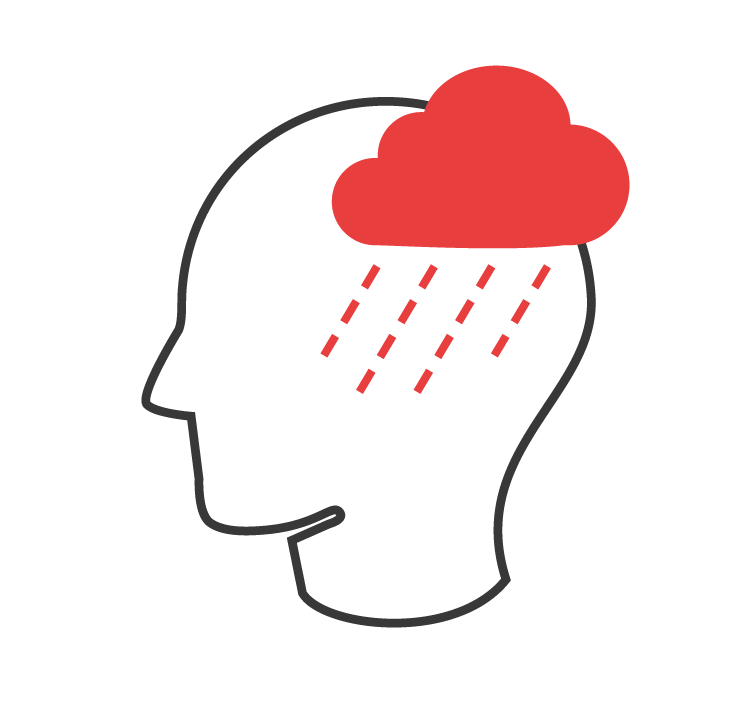
Depressive moods, lack of drive, or anxiety disorders are increasingly occurring in today's society. Many patients report exhaustion, inner restlessness, low mood, or the feeling of no longer having their usual stability and resilience in everyday life. Concentration disorders, sleep problems, or withdrawal from social life can also be associated with this. The severity of the symptoms varies greatly from person to person.
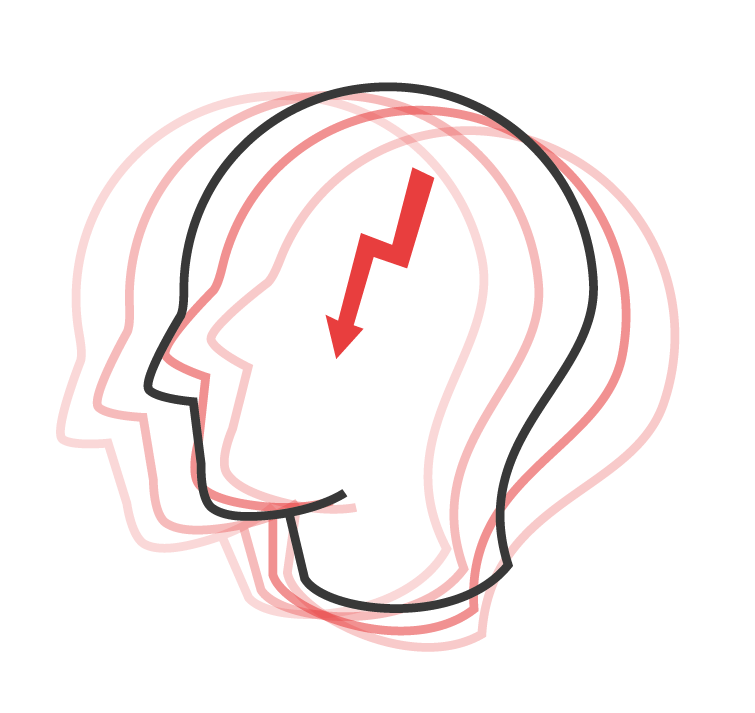
Attention and concentration disorders can be related to an attention deficit disorder (ADD or ADHD), which is often recognized or categorized late. Many affected individuals report that they find it difficult to focus for long periods, work through tasks in a structured manner, or process information reliably. Typical signs also include increased distractibility, inner restlessness, and the feeling of being mentally exhausted more quickly. The symptoms often persist over a long period without the causes being clearly identified.
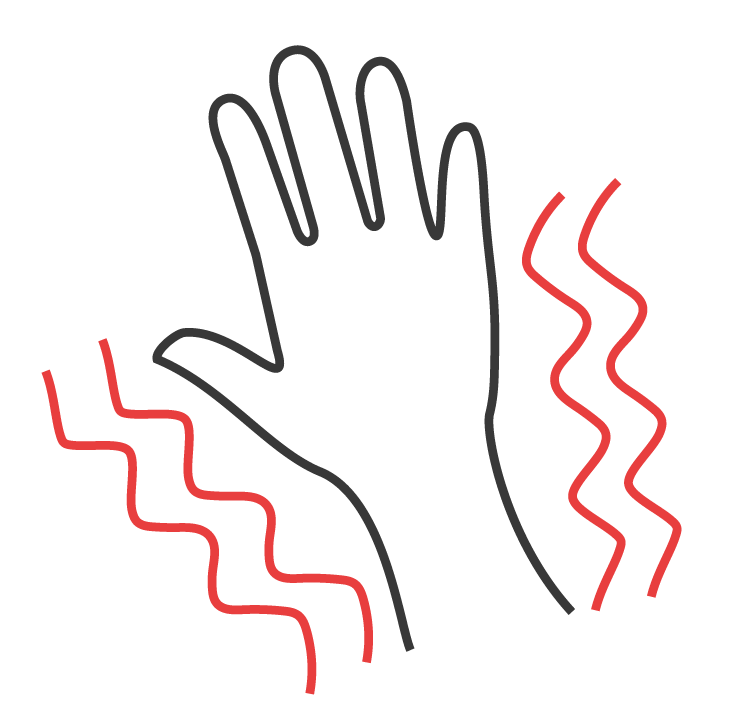
Tingling, numbness, or tremors in the hands or feet can indicate disorders in the nervous system. Sufferers often report an unpleasant, furry sensation or numbness on the skin. In other cases, involuntary movements or a fine tremor are prominent, occurring for example at rest or during certain activities. The symptoms can be temporary or persist over a long period and are often experienced as stressful and unsettling in everyday life.
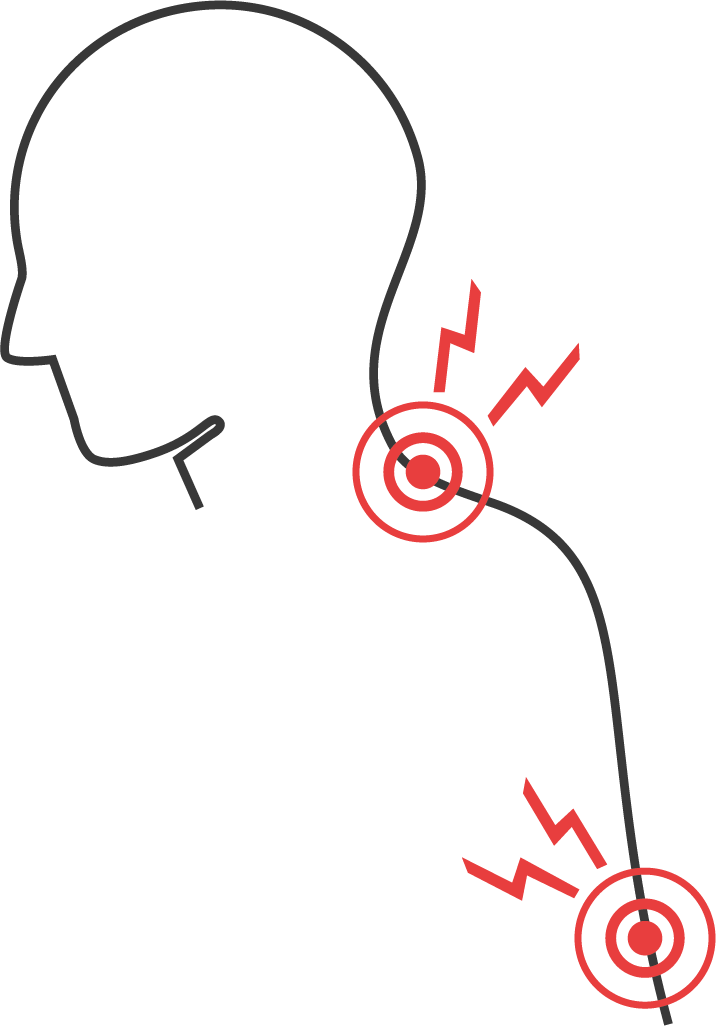
Chronic back or neck pain are common complaints and can occur, for example, in connection with a herniated disc or long-standing muscular tension. Many sufferers report persistent pain in the back or neck area, which can intensify with movement or radiate into the shoulders, arms, legs, or head. The symptoms are often accompanied by tension, restricted mobility, or a feeling of pressure and pain that persists permanently or recurs.
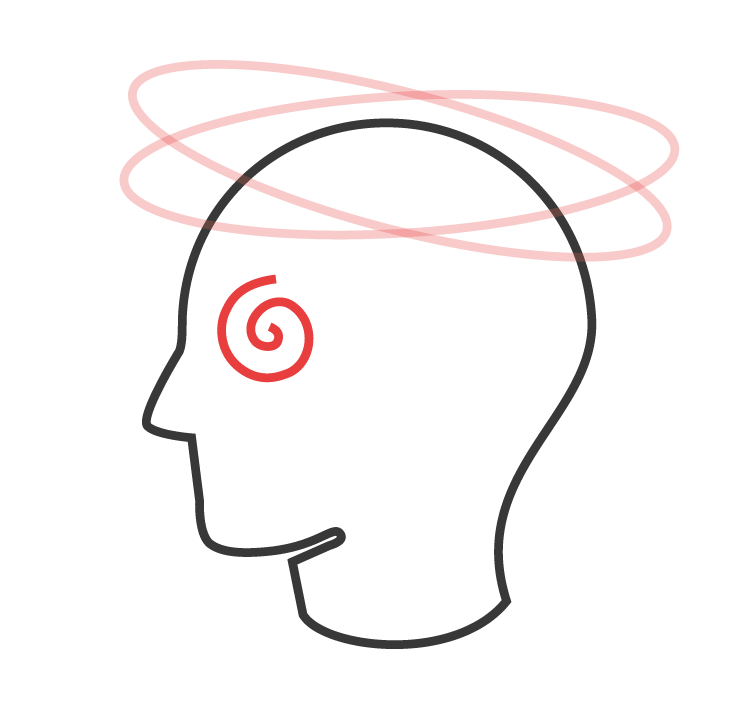
Dizziness is a common complaint in neurology and can be perceived in very different ways. The causes can lie in the nervous system as well as in the inner ear. Many sufferers report a spinning sensation like on a carousel or a swaying feeling like being on a ship. Dizziness is often accompanied by nausea, uncertainty when walking, or a feeling of instability. The symptoms can occur suddenly or develop over a long period and are often perceived as highly distressing in everyday life.

The practice offers a wide range of neurological services, from preventive examinations and sound diagnostics to individually tailored therapy and rehabilitation approaches. The goal is to record neurological complaints holistically and provide medically sound support. Treatment is always oriented toward your individual situation and is based on modern, evidence-based medicine.
Early detection of neurological changes and individual preventive concepts, e.g., for memory problems or family history.
Support for functional limitations and restoration of neurological functions.
A special focus of the practice is on modern methods of non-invasive brain stimulation, also known as neuromodulation. This involves specifically influencing the activity of certain brain areas.
rTMS is a scientifically well-studied method of non-invasive brain stimulation for the targeted influence of specific brain areas. For depression, transcranial magnetic stimulation is a guideline-based therapy method.
Transcranial pulse stimulation (TPS) uses focused shock waves to stimulate deeper brain regions. The procedure is CE-certified and approved for the treatment of dementia (Alzheimer’s disease).
Insight into the application of TPS:
Vagus nerve stimulation is a neuromodulation procedure in which the vagus nerve is specifically stimulated. In this practice, so-called auricular vagus nerve stimulation is used, in which certain nerve points in the ear area are stimulated without surgery. This can influence autonomous regulation mechanisms and stress reactions of the nervous system.
Transcranial direct current stimulation (tDCS) is a method of non-invasive brain stimulation in which weak electrical currents are applied via electrodes on the scalp. The goal is to specifically modulate the activity of certain brain areas.
Which method is appropriate in an individual case is decided on the basis of a careful diagnostic classification during a personal consultation and a neurological examination.
You can schedule an appointment either by phone or online.
Detailed discussion about your symptoms, your medical history, and previous treatments.
Classification of symptoms based on the examination and existing findings. If necessary, additional diagnostic measures will be initiated.
Based on the findings collected, a joint decision is made as to whether and what form of treatment is appropriate.
If inpatient treatment (e.g., surgery) is required, this can be organized at short notice in a clinic.
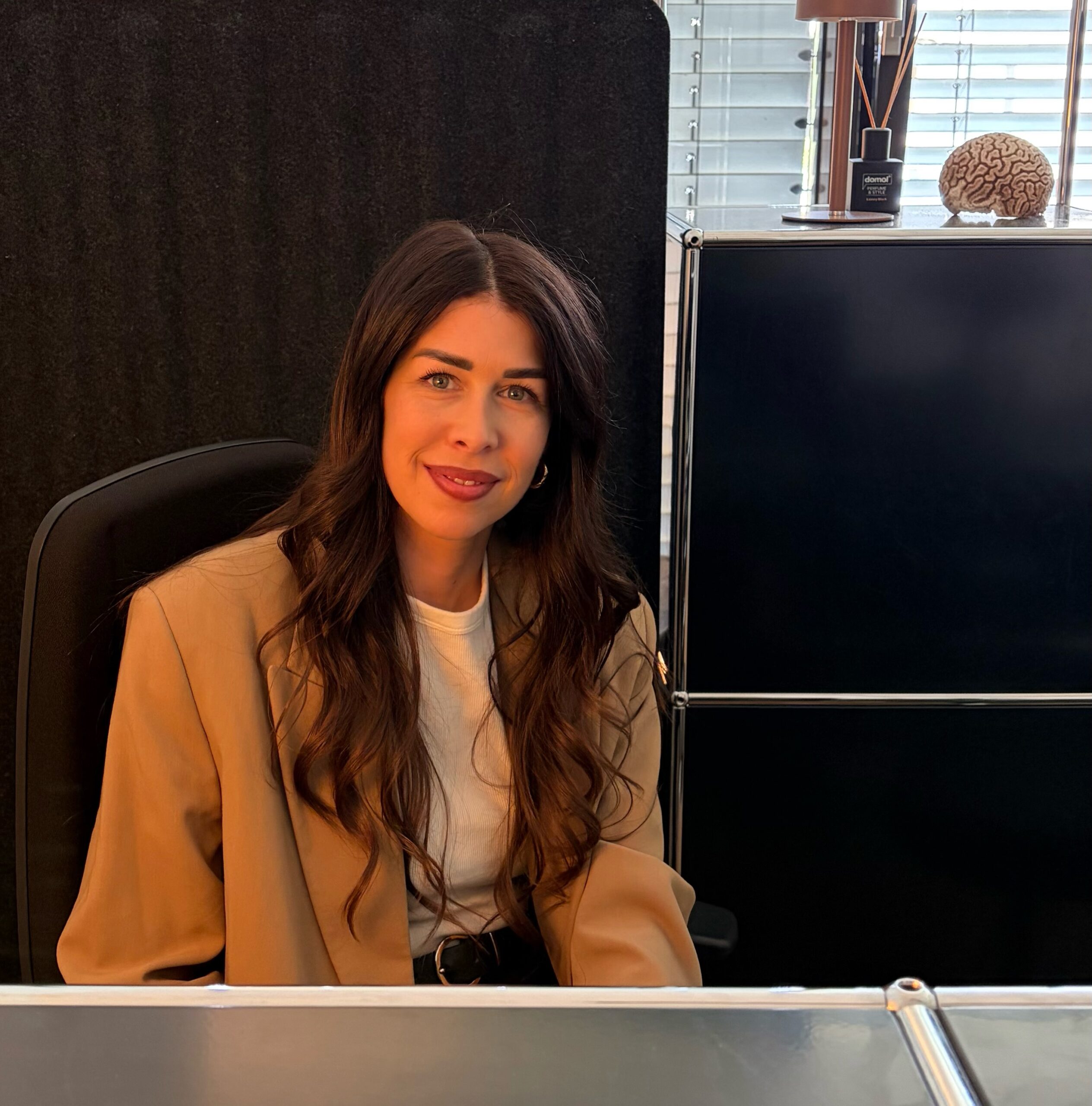
After my medical studies in Hannover, I initially worked in neurology and later in neurosurgery. During this time, I experienced how surgically implanted brain electrodes (deep brain stimulation) can influence neurological symptoms, for example in Parkinson’s disease. These experiences led to the question of how similar principles could be used without surgical intervention.
In my practice, I combine clinical experience from neurology and neurosurgery with modern approaches of functional neuromedicine. The basis of every treatment is a clear medical indication and a realistic assessment of the therapeutic possibilities.
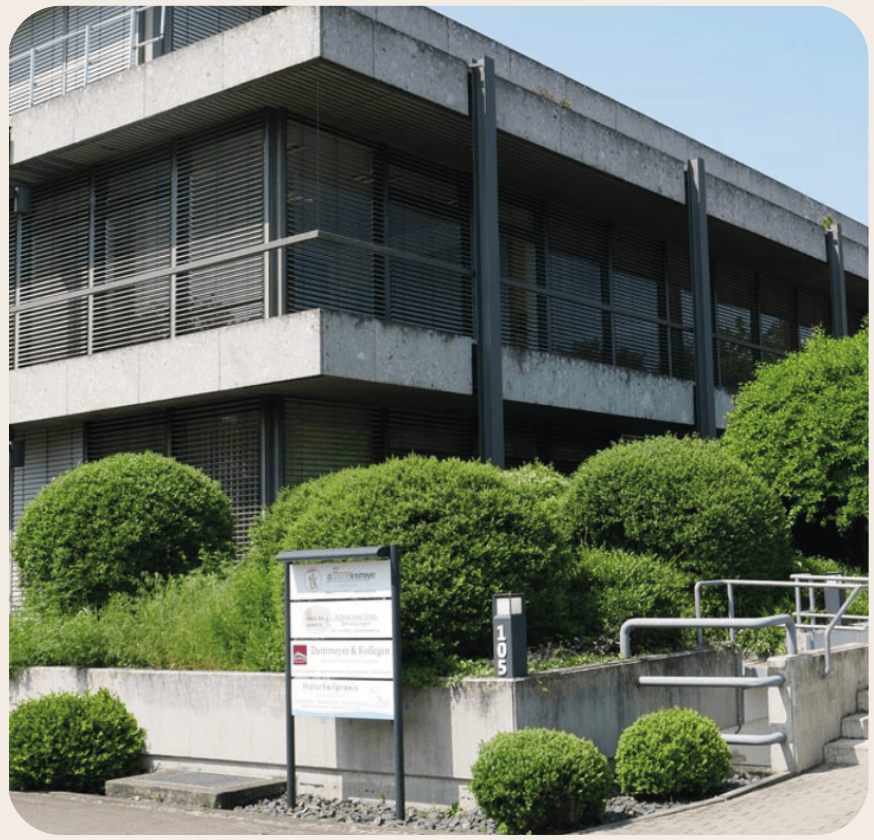
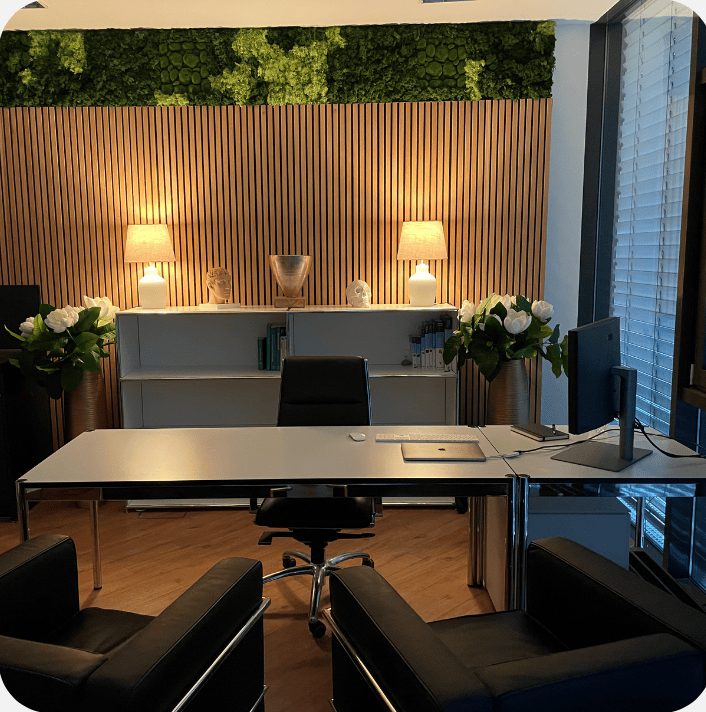
The practice is located in Hannover-Kirchrode in a quiet location. Appointments are by arrangement. A video consultation is possible throughout Germany and also from abroad.
As a private specialist practice, the offer is aimed at privately insured patients as well as self-paying patients with statutory insurance.
The initial presentation, including a detailed physical examination and review of existing findings, is charged at 80 to 100 euros.
We would be happy to inform you about any other costs that may arise.
Do you have any questions? Feel free to schedule an appointment for a consultation, either in person at my practice or via video consultation. To do so, contact the practice by phone or via Doctolib.
Non-invasive brain stimulation includes various procedures in which brain activity is specifically influenced without the need for surgical intervention. It is used in modern neuromedicine to treat various neurological and psychological complaints.
Yes, the non-invasive brain stimulation procedures used in the practice do not require surgery, implants, or anesthesia.
Non-invasive brain stimulation procedures are performed without surgery and without implants. Most patients find the treatment to be well-tolerated. Depending on the method, slight sensations on the scalp may occur.
As a rule, treatment takes place in several sessions (4-8) over a fixed period (2-4 weeks). The exact number depends on the respective neurological disease and the chosen procedure. Maintenance therapy at longer intervals may then be useful.
Yes, all procedures used in the practice have shown efficacy in clinical studies. Repetitive transcranial magnetic stimulation (rTMS) is even a guideline-based procedure in the treatment of depression.
In some patients, changes appear during the treatment series. In other cases, the effect develops gradually over several weeks. The course varies individually.
Private health insurance companies and state aid (Beihilfe) cover the costs in full or in part, depending on the individual tariff. Patients with statutory insurance can use the treatment as self-payers.
The costs depend on the respective procedure and the number of sessions. In a personal consultation, you will receive a transparent assessment of the expected treatment costs.
Brain stimulation is used to treat the following diseases:
Neuromedizin-Praxis Accessibility Statement
We firmly believe that the internet should be available and accessible to anyone, and are committed to providing a website that is accessible to the widest possible audience, regardless of circumstance and ability.
To fulfill this, we aim to adhere as strictly as possible to the World Wide Web Consortium’s (W3C) Web Content Accessibility Guidelines 2.1 (WCAG 2.1) at the AA level. These guidelines explain how to make web content accessible to people with a wide array of disabilities. Complying with those guidelines helps us ensure that the website is accessible to all people: blind people, people with motor impairments, visual impairment, cognitive disabilities, and more.
This website utilizes various technologies that are meant to make it as accessible as possible at all times. We utilize an accessibility interface that allows persons with specific disabilities to adjust the website’s UI (user interface) and design it to their personal needs.
Additionally, the website utilizes an AI-based application that runs in the background and optimizes its accessibility level constantly. This application remediates the website’s HTML, adapts Its functionality and behavior for screen-readers used by the blind users, and for keyboard functions used by individuals with motor impairments.
If you’ve found a malfunction or have ideas for improvement, we’ll be happy to hear from you. You can reach out to the website’s operators by using the following email
Our website implements the ARIA attributes (Accessible Rich Internet Applications) technique, alongside various different behavioral changes, to ensure blind users visiting with screen-readers are able to read, comprehend, and enjoy the website’s functions. As soon as a user with a screen-reader enters your site, they immediately receive a prompt to enter the Screen-Reader Profile so they can browse and operate your site effectively. Here’s how our website covers some of the most important screen-reader requirements, alongside console screenshots of code examples:
Screen-reader optimization: we run a background process that learns the website’s components from top to bottom, to ensure ongoing compliance even when updating the website. In this process, we provide screen-readers with meaningful data using the ARIA set of attributes. For example, we provide accurate form labels; descriptions for actionable icons (social media icons, search icons, cart icons, etc.); validation guidance for form inputs; element roles such as buttons, menus, modal dialogues (popups), and others. Additionally, the background process scans all the website’s images and provides an accurate and meaningful image-object-recognition-based description as an ALT (alternate text) tag for images that are not described. It will also extract texts that are embedded within the image, using an OCR (optical character recognition) technology. To turn on screen-reader adjustments at any time, users need only to press the Alt+1 keyboard combination. Screen-reader users also get automatic announcements to turn the Screen-reader mode on as soon as they enter the website.
These adjustments are compatible with all popular screen readers, including JAWS and NVDA.
Keyboard navigation optimization: The background process also adjusts the website’s HTML, and adds various behaviors using JavaScript code to make the website operable by the keyboard. This includes the ability to navigate the website using the Tab and Shift+Tab keys, operate dropdowns with the arrow keys, close them with Esc, trigger buttons and links using the Enter key, navigate between radio and checkbox elements using the arrow keys, and fill them in with the Spacebar or Enter key.Additionally, keyboard users will find quick-navigation and content-skip menus, available at any time by clicking Alt+1, or as the first elements of the site while navigating with the keyboard. The background process also handles triggered popups by moving the keyboard focus towards them as soon as they appear, and not allow the focus drift outside it.
Users can also use shortcuts such as “M” (menus), “H” (headings), “F” (forms), “B” (buttons), and “G” (graphics) to jump to specific elements.
We aim to support the widest array of browsers and assistive technologies as possible, so our users can choose the best fitting tools for them, with as few limitations as possible. Therefore, we have worked very hard to be able to support all major systems that comprise over 95% of the user market share including Google Chrome, Mozilla Firefox, Apple Safari, Opera and Microsoft Edge, JAWS and NVDA (screen readers).
Despite our very best efforts to allow anybody to adjust the website to their needs. There may still be pages or sections that are not fully accessible, are in the process of becoming accessible, or are lacking an adequate technological solution to make them accessible. Still, we are continually improving our accessibility, adding, updating and improving its options and features, and developing and adopting new technologies. All this is meant to reach the optimal level of accessibility, following technological advancements. For any assistance, please reach out to